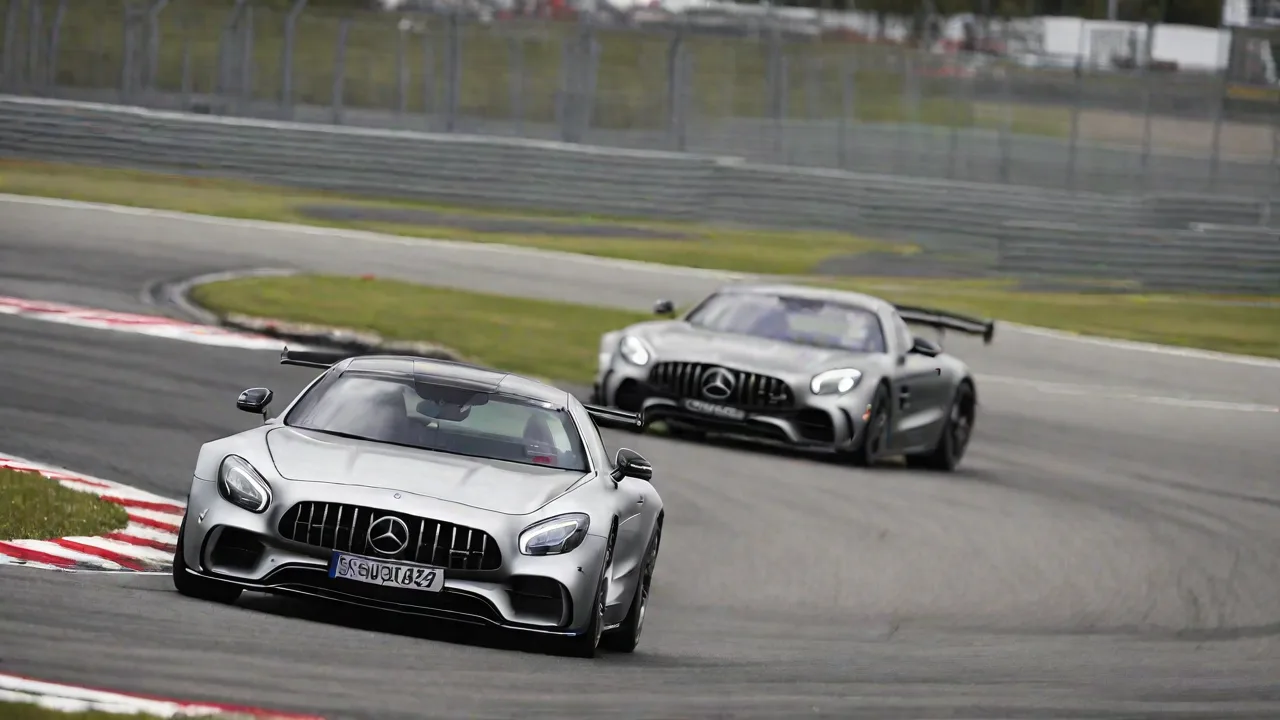
Braking Techniques for Everyday Mercedes-Benz AMG Owners on the Track
Taking your Mercedes-Benz AMG to the track is an exhilarating way to experience the full potential of this high-performance machine. However, to unlock its true capabilities, mastering the art of braking is essential. Braking is not just about slowing down; it’s a critical skill that influences lap times, vehicle dynamics, tire wear, and overall safety. Whether you are a weekend track enthusiast or an aspiring amateur racer, understanding and applying proper braking techniques tailored to your AMG can dramatically enhance your driving experience.
Understanding Your AMG's Braking System
Mercedes-AMG models feature some of the most advanced braking systems available in production cars. These systems are engineered to withstand the rigors of both spirited street driving and demanding track conditions. Common features include large, ventilated and often carbon-ceramic brake discs, multi-piston calipers, and high-friction brake pads that provide consistent stopping power.
Before hitting the track, it’s crucial to become intimately familiar with the feel and responsiveness of your AMG’s brakes. This involves:
- Brake Pedal Feedback: AMG vehicles typically have a firm, progressive brake pedal. Understanding how the pedal pressure translates to braking force helps you modulate deceleration precisely.
- Brake Modulation: Learning how much pressure to apply at various speeds and situations prevents wheel lock-up and maximizes tire grip.
- ABS Functionality: AMG models are equipped with sophisticated Anti-lock Braking Systems (ABS) designed to prevent wheel lock under heavy braking. Knowing when and how ABS engages can help you adjust your inputs accordingly.
- Heat Management: Brakes generate immense heat on the track. AMG braking components are designed for efficient heat dissipation, but excessive heat buildup can still lead to brake fade. Recognizing signs of fading and allowing brakes to cool is vital.
Spending time during practice sessions to gauge your AMG’s braking characteristics—such as pedal travel, initial bite, and stopping distances—lays the foundation for applying advanced techniques confidently.
Essential Braking Techniques on the Track
Threshold Braking: Maximizing Deceleration
Threshold braking is the art of applying the maximum braking force possible without locking the wheels. This technique allows you to slow down as quickly as possible while maintaining control over the vehicle.
To execute threshold braking effectively in your AMG:
- Apply Firm Pressure Early: Begin braking hard and progressively increase pressure until you feel the tires nearing lock-up.
- Modulate Pressure: Slightly ease off the pedal if the wheels begin to lock or ABS activates, then re-apply pressure to maintain maximum deceleration.
- Use All Available Brake Travel: AMG brake pedals often have a short but firm travel. Use the full range to finely adjust braking force.
Threshold braking demands practice and sensitivity, especially because track conditions and tire grip can vary lap to lap. Mastering this technique will shave precious tenths of seconds from your lap times while preserving tire and brake health.
Trail Braking: Enhancing Corner Entry
Trail braking is a more advanced technique where you continue to apply brake pressure as you begin turning into a corner, gradually releasing the brake as you approach the apex. This technique shifts weight forward onto the front tires, increasing their grip and improving steering response.
When trail braking in your AMG:
- Brake Deep into the Corner: Rather than braking sharply and releasing before the corner, maintain and gently reduce brake pressure as you turn.
- Balance Throttle and Brake: As you trail off the brakes, begin to apply throttle smoothly to prepare for corner exit.
- Maintain Smooth Inputs: Abrupt brake or steering inputs can upset the car’s balance, especially with the AMG’s powerful engine and rear-biased dynamics.
Trail braking requires precise timing and feel but offers significant benefits in reducing corner entry speed without sacrificing grip. It also allows for later braking points, improving overall lap times.
ABS Awareness: Trust, but Don’t Rely Solely on It
Mercedes-AMG vehicles come equipped with highly advanced ABS, designed to intervene just before wheel lock-up and help maintain steering control during heavy braking. While ABS is a valuable safety net, it should not be a crutch.
Key points to remember about ABS on the track:
- Consistent Pedal Pressure: Avoid “pumping” the brakes or sudden pedal releases, which can confuse the ABS system and unsettle vehicle balance.
- Understand Activation: ABS pulsates the brake pressure rapidly when activated. You may feel vibrations or pedal feedback—this is normal and indicates the system is working.
- Use ABS as Backup: Aim to brake just below the ABS activation threshold for maximum control and smoother deceleration.
- ABS and Traction Control Modes: Some AMG models allow adjustment of ABS and traction control intervention levels. Experiment with these settings during practice sessions to find what best suits your driving style.
By respecting the capabilities and limitations of your AMG’s ABS, you can brake harder and later with greater confidence.
Brake Cooling and Maintenance: Sustaining Performance
Track driving places extreme demands on your AMG’s braking system. Heat buildup is the enemy of consistent braking performance. Excessive heat can cause brake fade, reducing stopping power, pedal firmness, and increasing wear on components.
To manage brake temperatures and maintain optimal performance:
- Allow Cooling Intervals: Take regular breaks during track sessions to let brakes cool down. Use these intervals to inspect brake components for wear or unusual conditions.
- Monitor Brake Fluid: High temperatures can degrade brake fluid, leading to a spongy pedal feel. Use high-temperature brake fluids recommended by Mercedes-AMG and change fluid regularly.
- Upgrade Cooling Solutions: Consider aftermarket brake ducts or cooling fans if you plan frequent or extended track sessions.
- Inspect Pads and Rotors: Track use accelerates wear. Use track-specific brake pads and monitor rotor condition closely to avoid unexpected failures.
Proper brake maintenance not only preserves performance but also protects your investment in AMG’s high-performance components.
Additional Tips for Effective Braking on the Track
Optimize Your Driving Position and Setup
Having a comfortable and stable seating position is critical to brake modulation precision. Ensure your seat and pedals are adjusted to allow smooth, controlled inputs without fatigue.
Check tire pressures for track conditions as they influence braking grip. Generally, slightly higher pressures in cold tires can help prevent excessive flex and improve pedal feel.
Use the Racing Line as a Guide
Braking points vary depending on track layout and conditions. Study the racing line and braking markers, starting conservatively and progressively adjusting as your confidence grows. Effective braking is often about consistency rather than maximum effort every lap.
Practice Progressive Braking
Rather than slamming the brakes at the last moment, practice progressive braking—gradually increasing pressure to the threshold point. This smooth approach maximizes tire grip and minimizes chassis upset.
Integrate Braking with Overall Car Control
Braking is one part of a holistic approach to driving fast and safely. Combine braking with smooth steering, throttle modulation, and gear selection to maintain balance and momentum through corners.
Conclusion
Braking is arguably the most critical skill for maximizing the performance of your Mercedes-Benz AMG on the track. Understanding your car’s advanced braking system, mastering key techniques like threshold and trail braking, and managing brake heat will allow you to push harder with confidence. Moreover, integrating these skills with proper vehicle setup, maintenance, and smooth driving habits will enhance both your lap times and safety.
Remember, every AMG and track is unique. Dedicate time to practice and adapt your braking style to the specific characteristics of your vehicle and the circuit. With patience and persistence, you’ll unlock new levels of performance and enjoyment in your Mercedes-AMG track experience.
For further reading and detailed technical guides, consider exploring resources such as the official Mercedes-AMG website or enrolling in performance driving schools that specialize in AMG vehicles.